


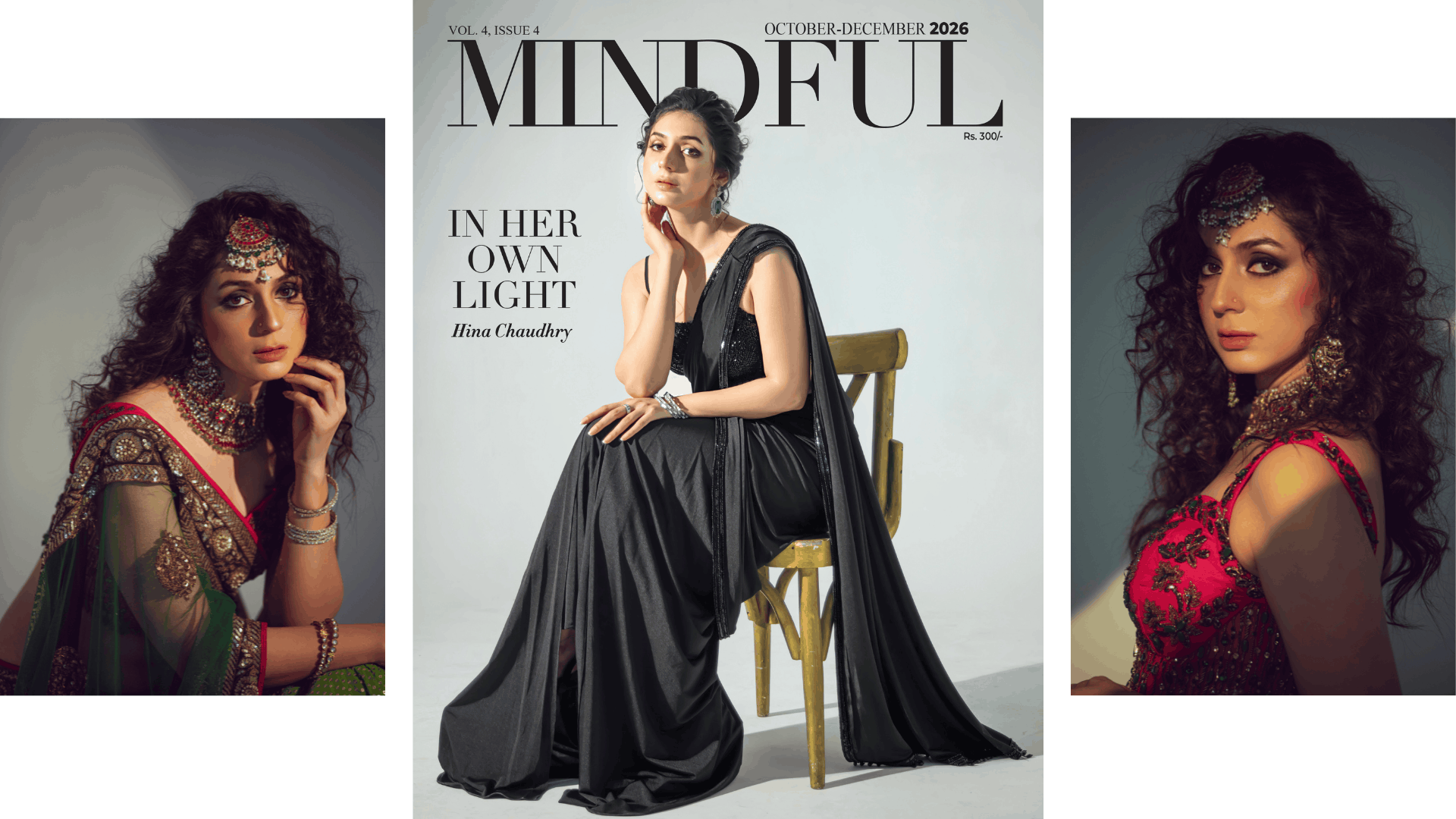
Hina Chaudhry has an ease about her that feels distinctly her own. On screen, she slips into her characters with an instinctive fluidity; away from it, there is a quieter confidence in the way she speaks about her work, her choices and the life she is building beyond the spotlight.
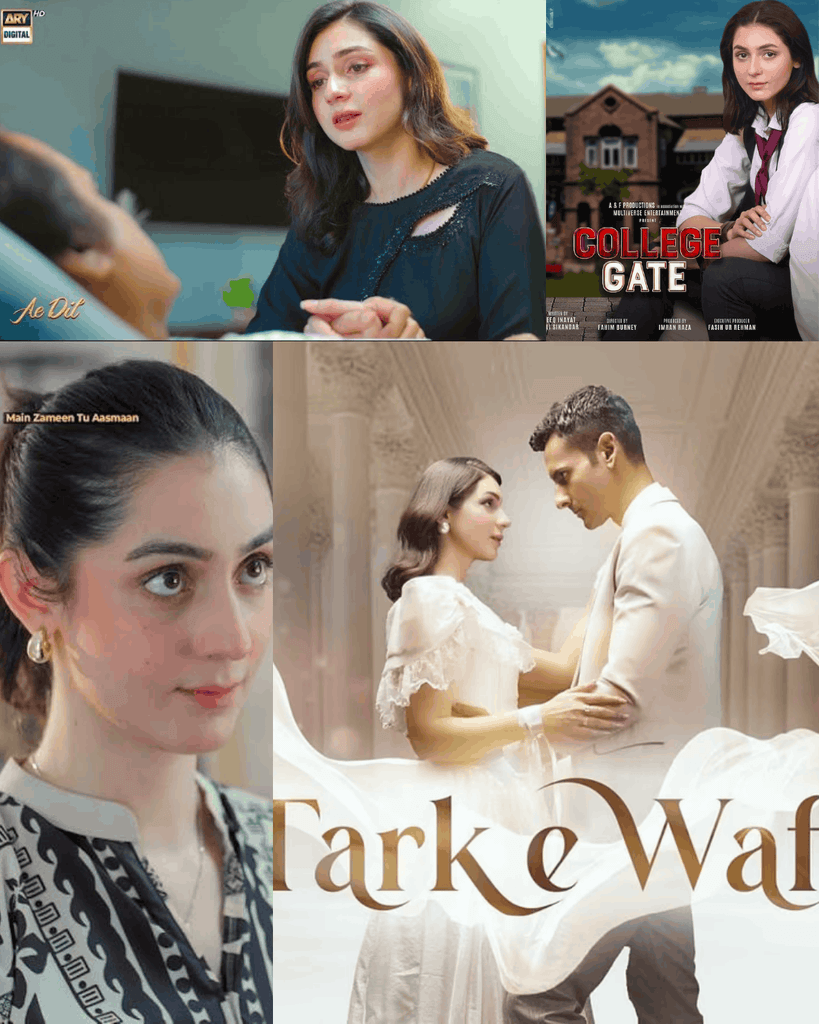
Known for her performances in Pehli Si Mohabbat, Mere Humsafar, Tere Bin and Jeevan Nagar, Hina has steadily carved out her space in an industry where being seen is only part of the equation. Just as important is what an actor chooses to bring to the frame—and what she chooses to leave behind it.
Hina opens up about growing into herself, the roles that have stayed with her, the expectations that come with being an actress and the evolving meaning of ambition. In a conversation that moves beyond the familiar, she reflects on the woman behind the performances—thoughtful, driven and still discovering what comes next.
1. What first drew you to acting, and when did you realise it could become more than just an interest?
I think what initially drew me to acting was the ability to feel and experience lives that weren’t my own.
I don’t think I woke up one day and decided, “This is what I want to do for the rest of my life.” It happened gradually. The more I worked, the more I realised that acting wasn’t just something I enjoyed; it was something I wanted to become better at. Eventually, it became a very important part of who I am.
2. There is always a version of you that the audience knows, and another that exists away from the cameras. How different are the two Hinas?
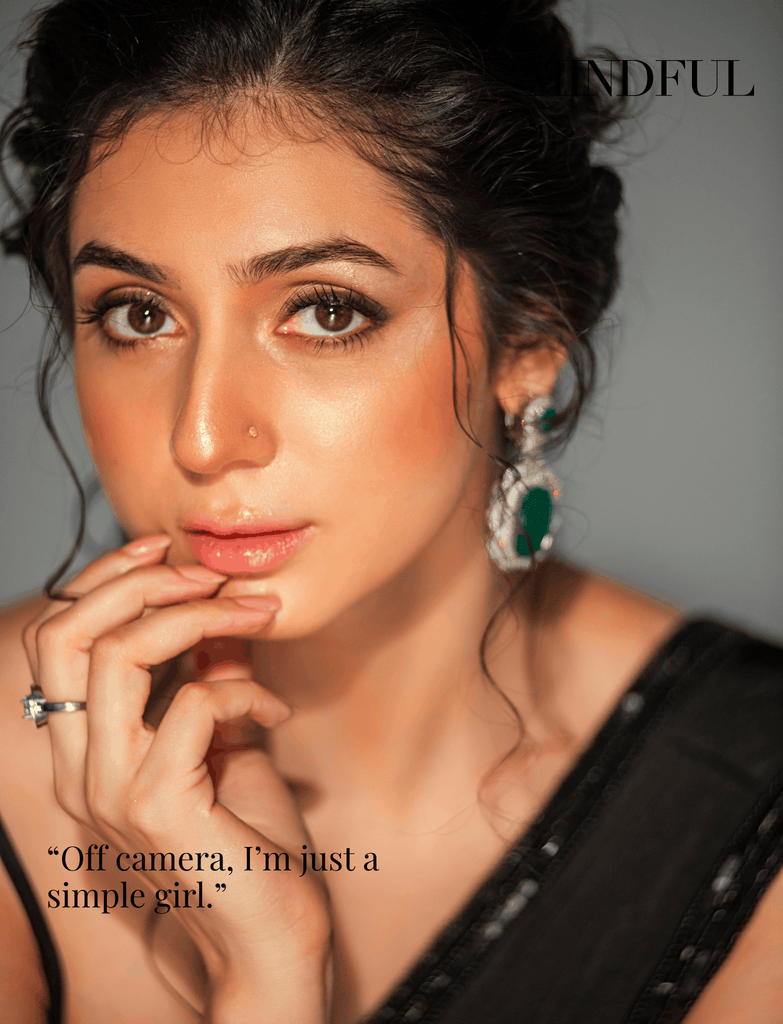
The Hina people see on screen is much more emotionally expressive because that’s my job. Off camera, I’m just a simple girl. I value my peace, my family, my home and the little, ordinary moments of life.
I think people sometimes assume that because you’re an actor, you’re constantly dramatic, social or “on.” I’m actually very much the opposite. I love being able to switch everything off and just be myself.
3. Looking back at the beginning of your career, what do you think you had to learn the hard way?
That not everyone is going to understand you, and that’s okay.
When you’re young in this industry, you can take everything personally—rejection, criticism, someone’s opinion about you, or a project not working out. I also had to learn that saying no is important. You don’t have to accept everything simply because you’re afraid another opportunity won’t come along.
4. Has there been a particular role or character that changed the way you understood yourself as an actress?
Every character leaves something behind, but I think the roles that have challenged me emotionally have taught me the most.
Taking on a negative character for the first time, for example, made me realise how much more I could explore when I stepped outside what people expected from me. Main Zameen Tu Aasman was one of those experiences.
5. How do you decide whether a project is worth saying yes to? Has that criteria changed as you’ve grown in the industry?
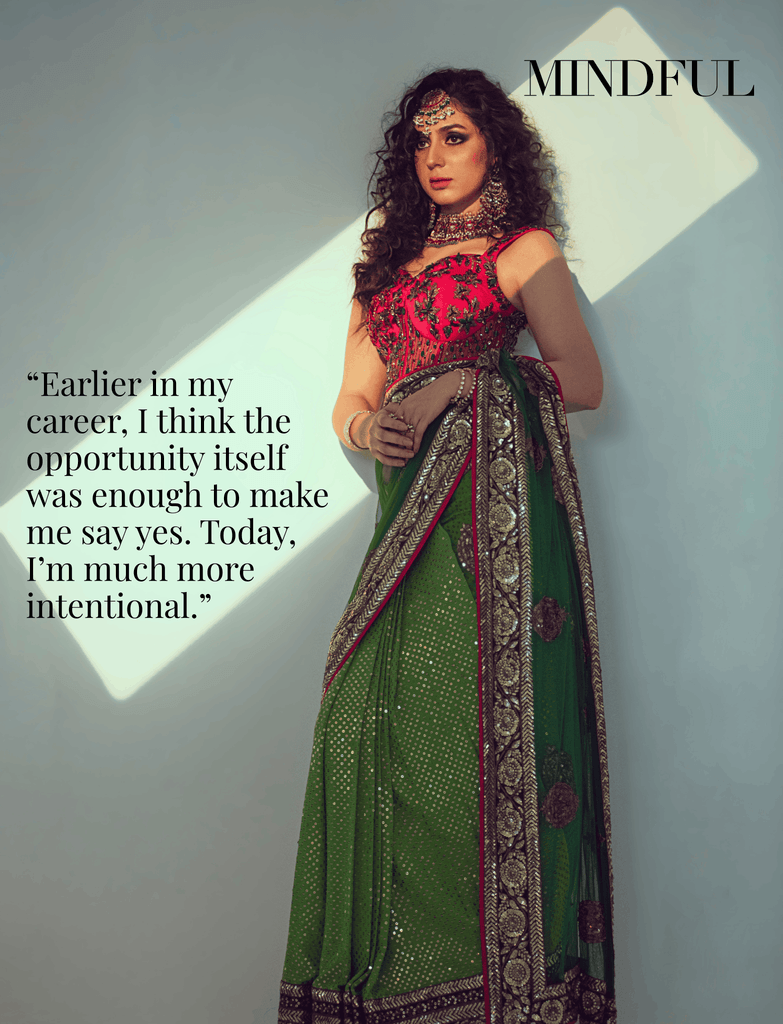
Earlier in my career, I think the opportunity itself was enough to make me say yes. Today, I’m much more intentional.
I look at the character, the story, the people I’m going to be working with and, most importantly, whether I feel connected to the project. I ask myself, “What am I bringing to this? And what is this adding to me as an artist?”
6. The entertainment industry comes with many expectations about how an actress should look, behave and present herself. How have you learnt to navigate those expectations while staying true to yourself?
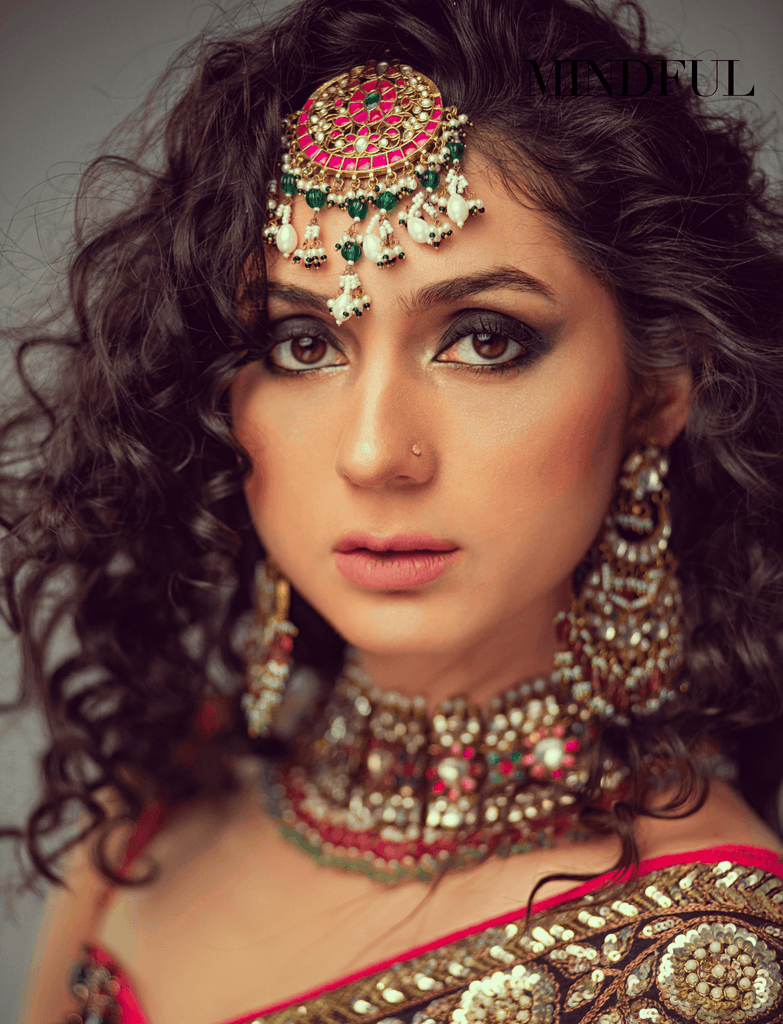
I think you eventually realise that you can spend your entire life trying to fit somebody else’s idea of what a woman should be.
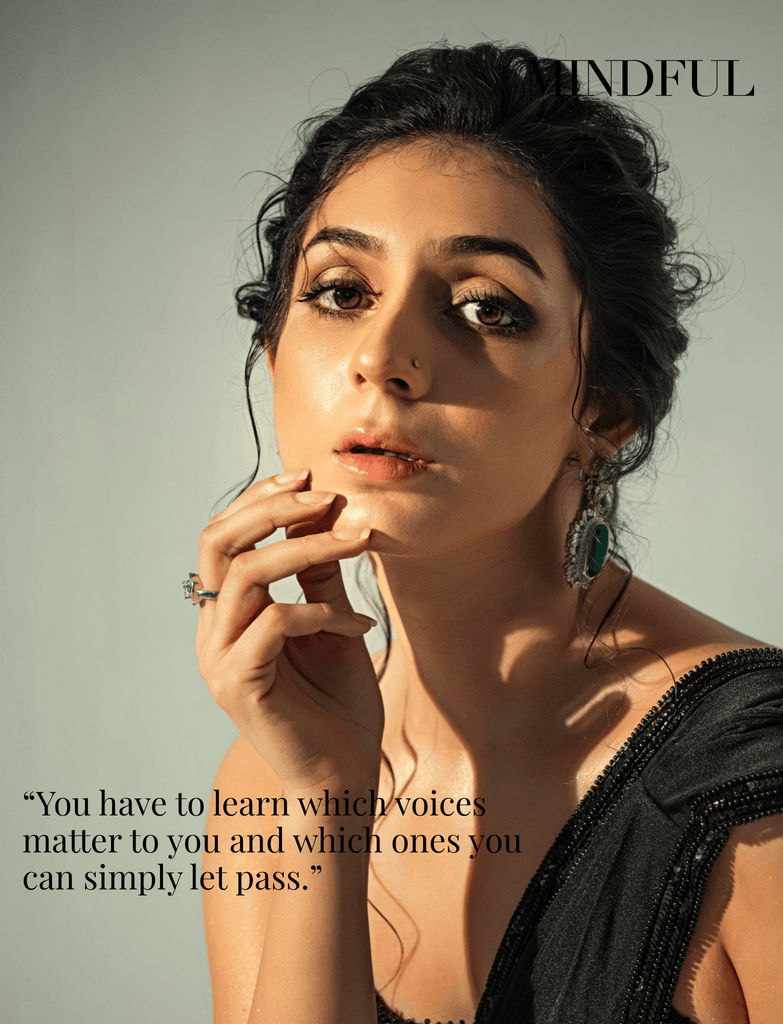
I’ve learnt to listen, but not absorb everything. There will always be opinions about how you look, what you wear, how you speak, what roles you choose and even how you should live your life. You have to learn which voices matter to you and which ones you can simply let pass.
7. What is something about your personality that people might never guess from watching you on screen?
That I’m actually quite goofy.
People probably associate me with emotional or intense characters, so they might assume I’m very serious in real life. I’m actually someone who laughs a lot and can be very silly around people I’m comfortable with.
My family and friends—everyone who knows the real me—can vouch for that.
8. What has this phase of your life taught you about ambition, patience and knowing when to walk away?
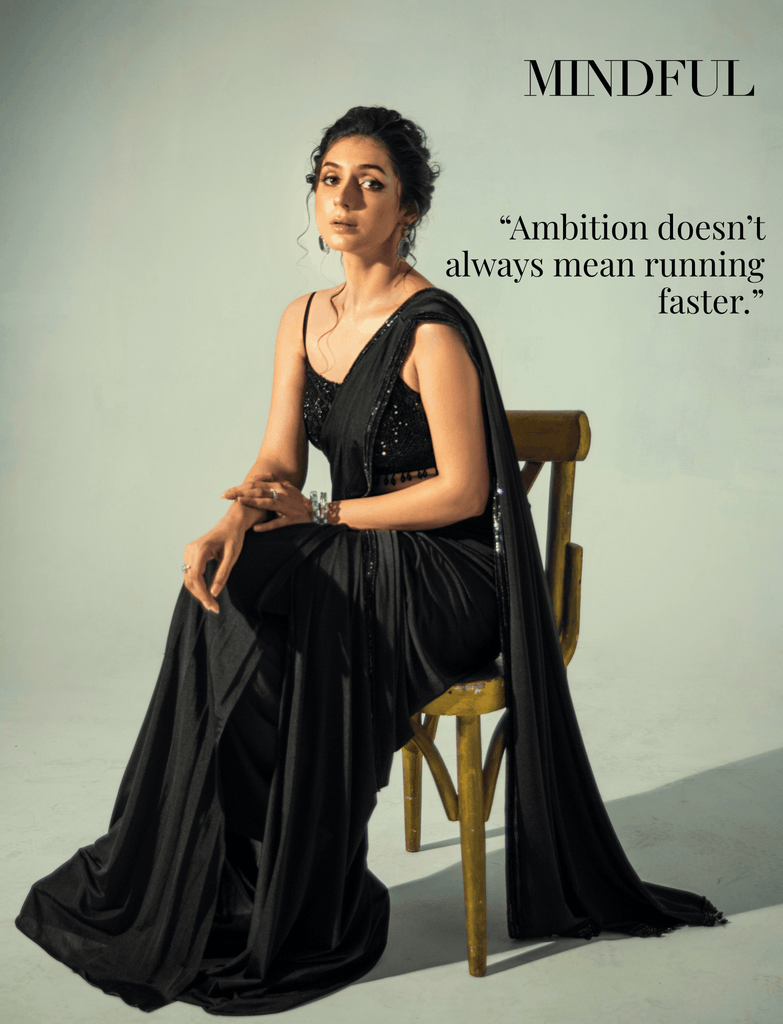
That ambition doesn’t always mean running faster.
Sometimes ambition is knowing what deserves your energy and what doesn’t. I’ve become much more patient with my journey. I don’t feel the same pressure anymore to prove myself every single day.
And walking away isn’t always giving up. Sometimes it’s choosing yourself, your peace and your values.
9. Acting requires you to constantly step into other people’s lives. Has playing certain characters ever stayed with you after the cameras stopped rolling?
I think that’s one of the beautiful, and slightly dangerous, things about acting. You borrow someone else’s emotions, and sometimes you take a little piece of them home with you.
But I also have my own life, my own journey and my own emotions, so I’ve learnt not to stay stuck in a character once the cameras stop rolling.
One of my directors once told me something that really stayed with me. He said that even when you’re doing an intense emotional or crying scene, you don’t always have to actually go into that pain or relive it yourself. We’re actors, and this is exactly what we’re trained to do—to step into a character’s emotions when we’re asked to, and then be able to step back out.
I think that lesson has helped me a lot. You can give a character everything while you’re on set, but once the scene is over, you have to know how to come back to yourself.
10. What kinds of stories or characters do you feel are still missing for women in Pakistani television and film?
I’d love to see more women who aren’t defined only by their relationships with other people.
Women who have ambitions, flaws, contradictions, careers, friendships, sexuality, humour, failures and dreams that exist independently of being someone’s wife, daughter, mother or love interest.
11. What are you most protective of when it comes to your life outside the industry?
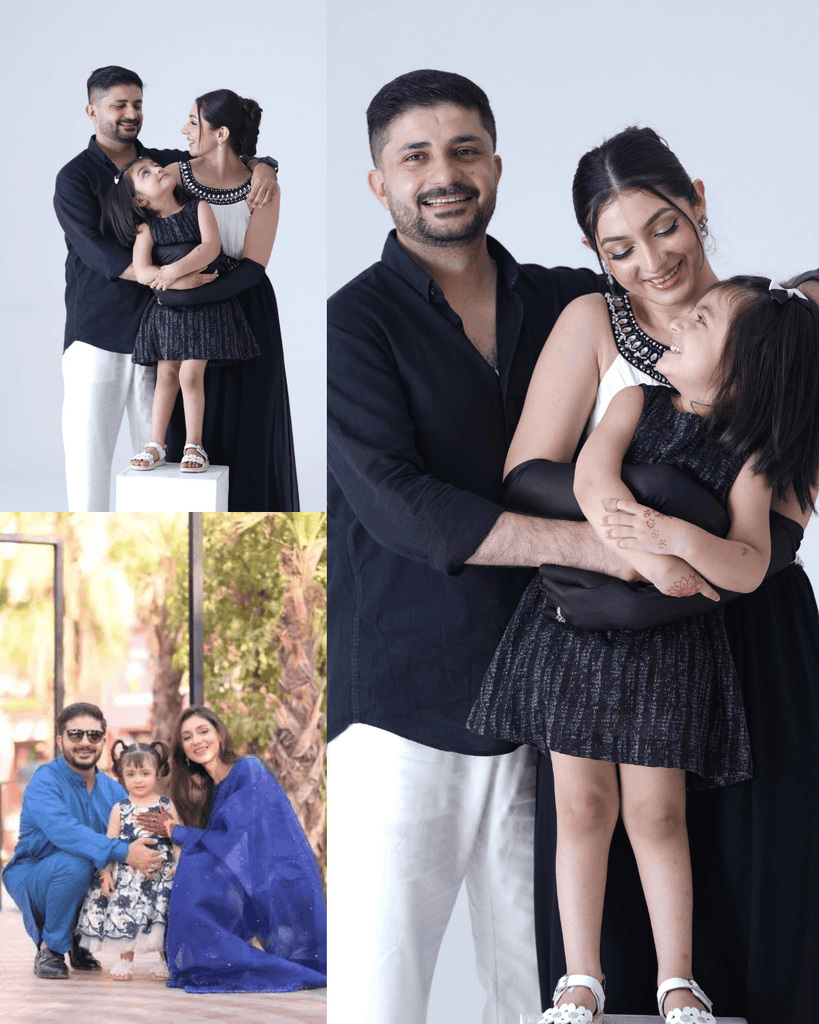
My family, without a doubt. Especially my daughter. She is such a big part of my world, and I’m very protective of the life and environment I create for her.
12. When the audience looks back on Hina Chaudhry’s career years from now, what do you hope they remember?
I hope they remember that I genuinely cared about my work.
I want people to remember me as someone who wasn’t afraid to evolve, who took risks—like working with a toddler and moving to another city for work—and who tried to give every character something real.
And if someone says, “I felt something because of her performance,” I think that would be the greatest compliment I could ever receive.
13. What does being “Mindful” mean to you at this stage of your life?
At this stage, mindfulness is about choosing what deserves my attention. It’s about being grateful for where I am, protecting my peace, listening to myself and understanding that I don’t have to have everything figured out immediately.
Coordination: Umer Mushtaq
Hair & Makeup: Nighat Misbah, Depilex
Styling: Talha Malik
Wearing: Rashmi Kumari
Jewellery: Kohar
Photography: Hussain Pairt
PR: Alchemist

