

Chef Mustafa on ambition, pressure, and survival in Pakistan’s kitchens
By Minahil Hussain
It’s the day after an intense storm swept through Lahore. The city wakes gently; the air washed clean, the afternoon bright and forgiving. I make my way into Crafe Upstairs—a space already etched into the city’s dining conversation, where food and atmosphere come together with effortless ease.
Inside, the café hums: tables full, conversations flowing, plates moving with purpose.
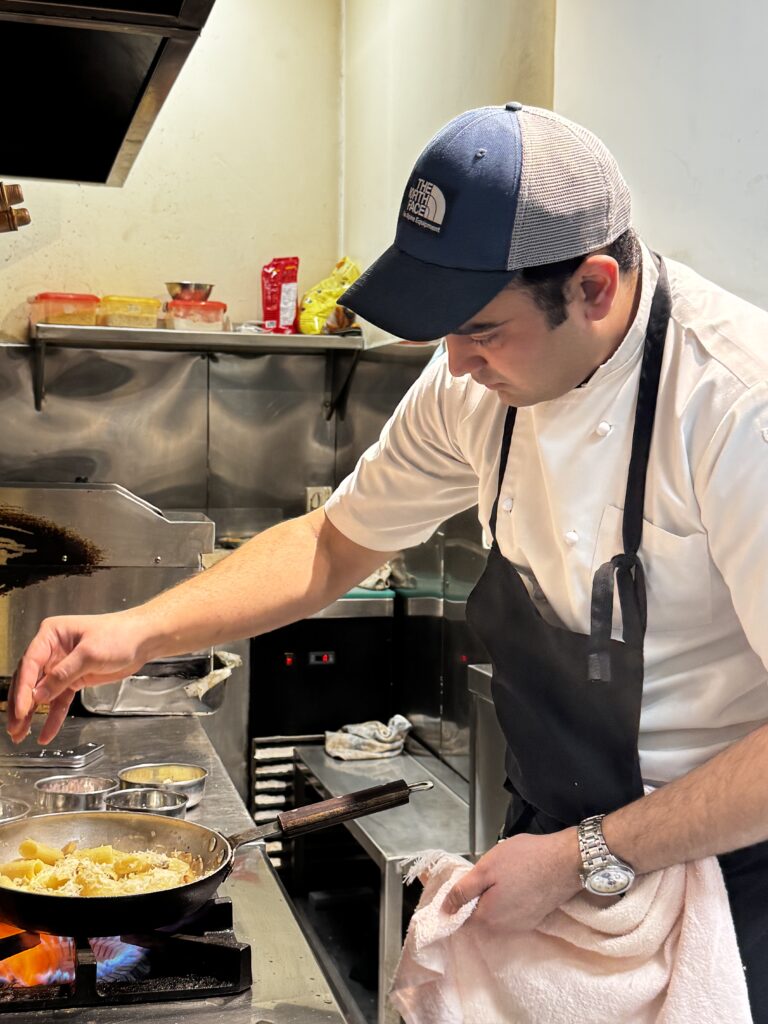
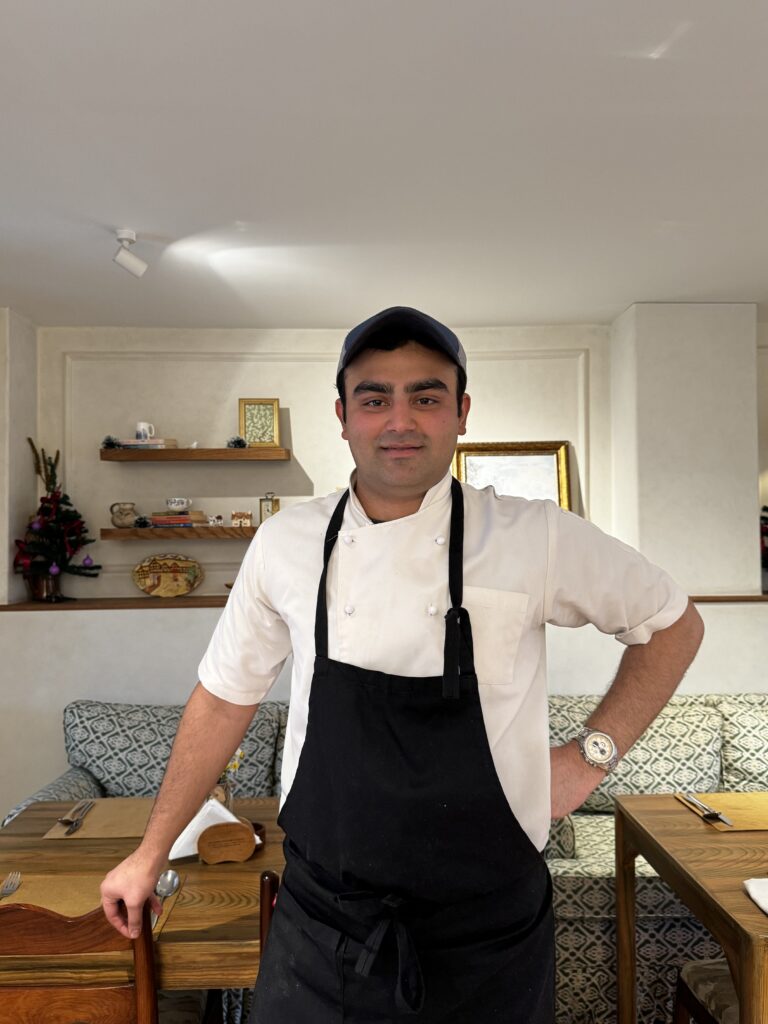
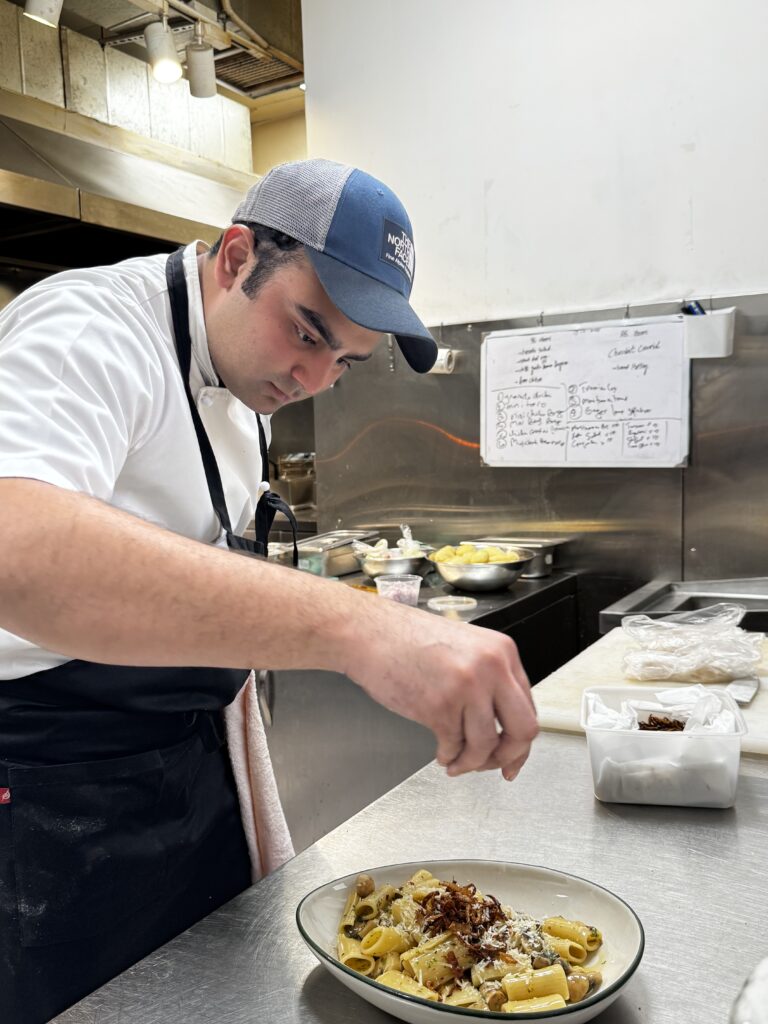
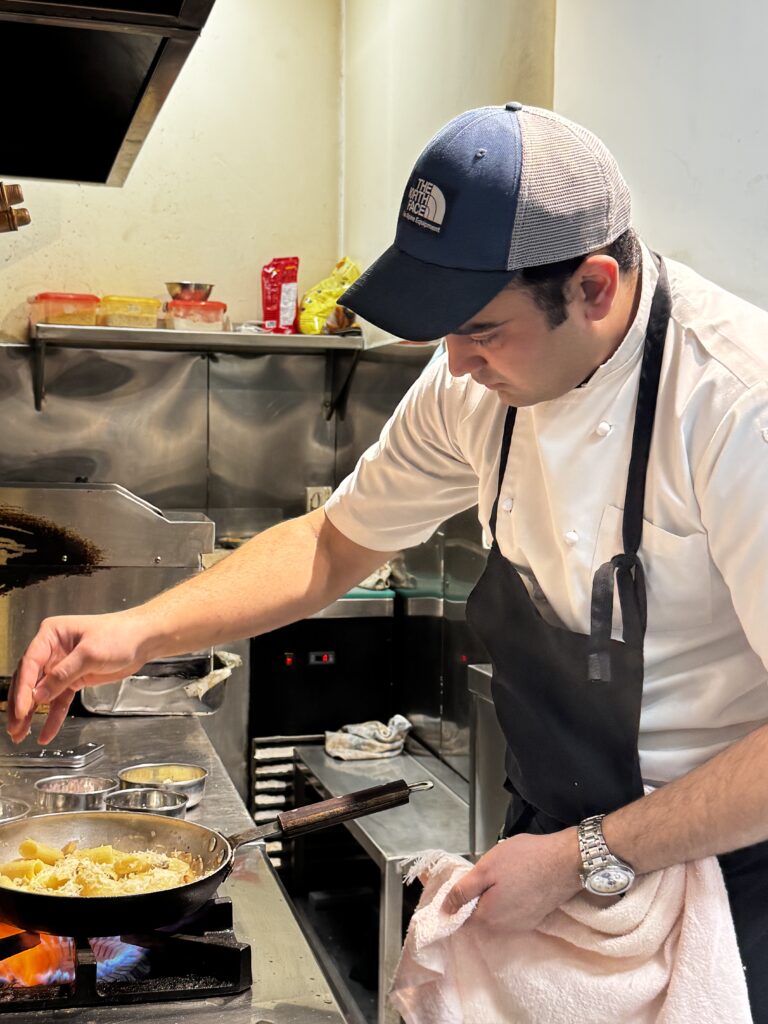
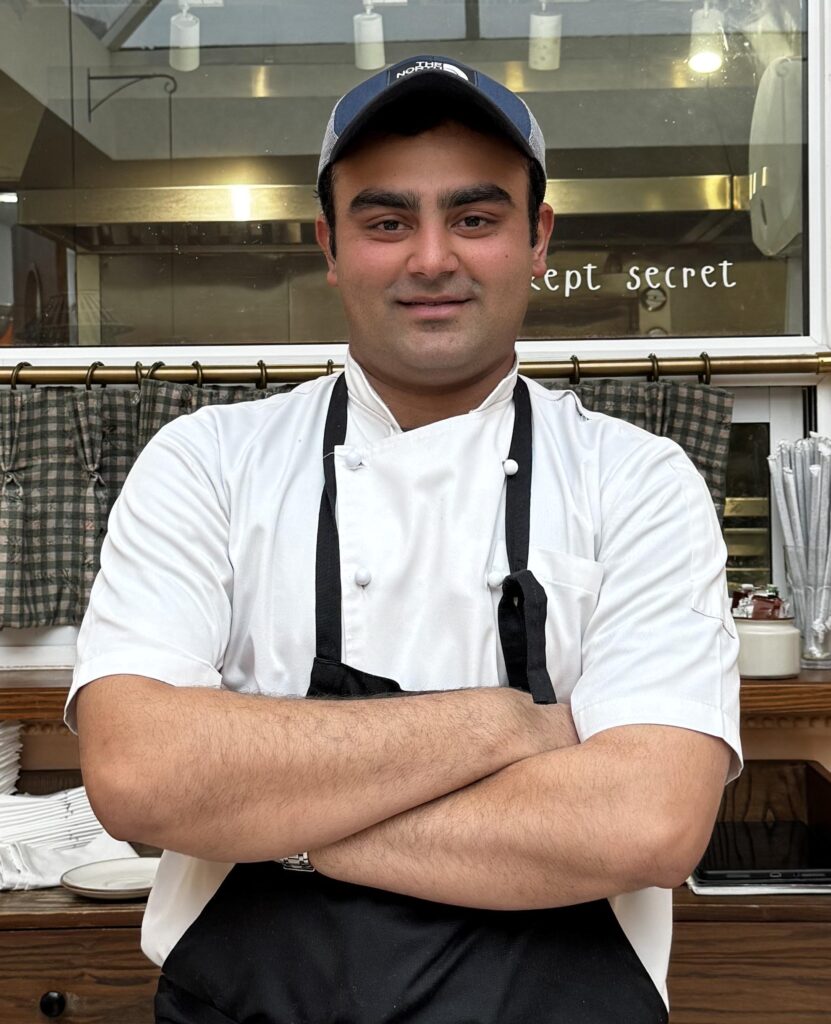
I’m here to meet the man behind the dishes I’ve enjoyed over my last three visits. As I step inside, I spot Chef Mustafa behind a glass window, immersed in his work. The head chef at Crafe, he is clearly hands-on—present in the kitchen, ensuring that every plate leaving it meets his standards. Mustafa has worked at some of the city’s most popular restaurants, including Fred, Amu, and Okra. He began working at a young age and hasn’t stopped since.
We eventually find a quiet corner—no easy task, given the packed restaurant—and begin from the very start.
Q: Mustafa, how did your journey begin?
For as long as I can remember, I’ve always loved to cook. My biggest inspirations were my mother, my grandmother, and my grandfather—they are the best cooks I’ve known. They encouraged me to cook with them, and that’s where it all began. My grandfather and I also used to watch cooking shows on the Travel Channel together; that was our favourite hobby.
Q: So your grandfather played a very important role in your culinary journey?
Absolutely. He would take me grocery shopping with him, and it was fascinating for me to see all those processes in action. Watching chefs on television in their white coats and tall toques—it all made me fall in love with cooking.
Q: When did you know this was the path you wanted to pursue?
As early as my O Levels, I knew I wanted to make this my career. I had the love and the passion for it. I used to cook for my friends and experiment with food back then—I did some pretty crazy things in the kitchen.
Q: In Pakistan, culinary skills aren’t always encouraged as a career. How did you know this was right for you?
My parents were always very supportive of everything I did. My sister has always been my biggest fan. They never stopped me, even though it was difficult for them at first because of societal norms and perceptions. But I knew what I had to do.
Q: Where did you receive your formal training?
Right after completing my studies at Karachi Grammar School, I decided to get formal training. At the time, there weren’t many established culinary schools, but I learned at SCAFA. I chose not to pursue a bachelor’s degree and instead focused on building practical skills. I learned a great deal from the chefs there, especially my mentor, Chef Shahnawaz. His approach to food and his work ethic deeply inspired me.
Q: What was your first experience in a professional kitchen like?
After SCAFA, I was excited about what lay ahead. The first commercial kitchen I stepped into was at Fuchsia. My uncle was running the place and showed me around. When I walked into the kitchen, I saw chaos—so many cooks working at once—but there was also a strange sense of peace within that chaos. That’s when I knew this was it.
Then in 2020, when COVID hit, everything came to a halt. I had to move back to Karachi.
Q: When did your professional career officially start, and how was that journey?
My first job was at The Fred, and it was an incredible experience. I walked into that kitchen thinking I knew everything—but I was quickly humbled. The people around me had been working tirelessly for years, and seeing that made me realise how much I still had to learn.
My chef there was very tough on me, and I’m grateful for that. If he hadn’t been, I wouldn’t have learned how to push myself every day—the long hours, the lack of breaks, the discipline. That experience shaped my work ethic.
Q: At such a young age, how do you maintain this level of dedication and focus?
Deep down, I know that no one is coming to save me. If I don’t keep up, someone else will take my place. And above all, it’s the passion that drives me.
Q: You worked with your mentor, Chef Shahnawaz, at Amu. What did that experience teach you?
It was intense—long hours and very little sleep—but I loved every second of it. I took complete ownership of that kitchen. The rush and adrenaline of service were thrilling, and I learned so much through that process.
Q: How would you describe the kitchen environment in Pakistan, especially compared to international standards?
It’s very challenging. Chefs here often don’t get the recognition they deserve. While things are slowly changing, chefs rarely come out to meet guests, and there’s still a lot of mistreatment within the industry. There’s also pay disparity, which needs to be addressed.
Q: How would you describe your cooking style in three words?
Local. Aggressive. Passionate.
Q: Where do you draw your culinary inspiration from—local traditions, global trends, or personal experiences?
It’s a mix of all three. But a lot of it comes from how I was raised—especially those moments watching the Travel Channel with my grandfather. Seeing chefs cook with so much love left a lasting impression on me.
Q: Have you considered opening your own restaurant?
I have, but not just yet. I want to travel, work in a Michelin-star restaurant, and learn from people who truly dedicate their lives to this craft. Once I understand how they operate, I’d love to open my own place.
Q: What advice would you give aspiring chefs in Pakistan?
Q: What ingredient can you not live without?
Salt, butter, and stock.
Q: If you could cook for anyone in the world, who would it be?
Anthony Bourdain. He’s one of my biggest inspirations.
Q: What’s one common myth about being a chef you’d like to debunk?
That we eat a lot in the kitchen. That’s a huge myth.
Q: One kitchen gadget you swear by?
A really sharp knife.
Q: Your dream travel destination for food inspiration?
Spain. It’s featured in one of Anthony Bourdain’s cookbooks, and I love how its cuisine blends European and Arab influences. They truly celebrate cooking and eating—it’s a dream destination for me.