


From prodigies to late bloomers, proof that timing is a myth
By Fatima Salman
Did the world expect Malala Yousafzai, a 17-year-old Pakistani Muslim girl, to win the Nobel Peace Prize? Did anyone imagine that Joe Biden would become the 46th President of the United States at 78? Or that a 15-year-old Swedish teenager would challenge world leaders like Donald Trump on climate change? Yet Greta Thunberg did exactly that, transforming a solitary school strike into the global Fridays for Future movement.
If the world had dismissed Oscar Swahn as “too old,” would he have won an Olympic silver medal at 72, becoming the oldest medalist in history?
So, does age really matter? I believe it does not.
Age is often treated as a boundary — a number that traps the mind in unnecessary limitations. The young are told to wait. The old are told their moment has passed. On a woman’s 40th birthday, she is reassured with the phrase, “age is just a number.” But if that is true, why do we allow it to dictate ability, ambition, and relevance?
Like time, money, and borders, age is a construct shaped by society. Not divinely ordained, but imagined by people—yet we treat it as an immovable wall.
Consider Colonel Sanders. At 40, he was running a roadside motel in Corbin, serving fried chicken to travelers. At 62, after countless rejections, he founded KFC with his now-famous blend of 11 herbs and spices. Age did not determine his success — persistence did.
Inspiration does not operate on a schedule. It arrives unexpectedly, like fireworks across a dark sky. You never know when an idea will reshape your future. You are your thoughts, your imagination, your courage. Age is not part of that equation.
I learned this lesson early.
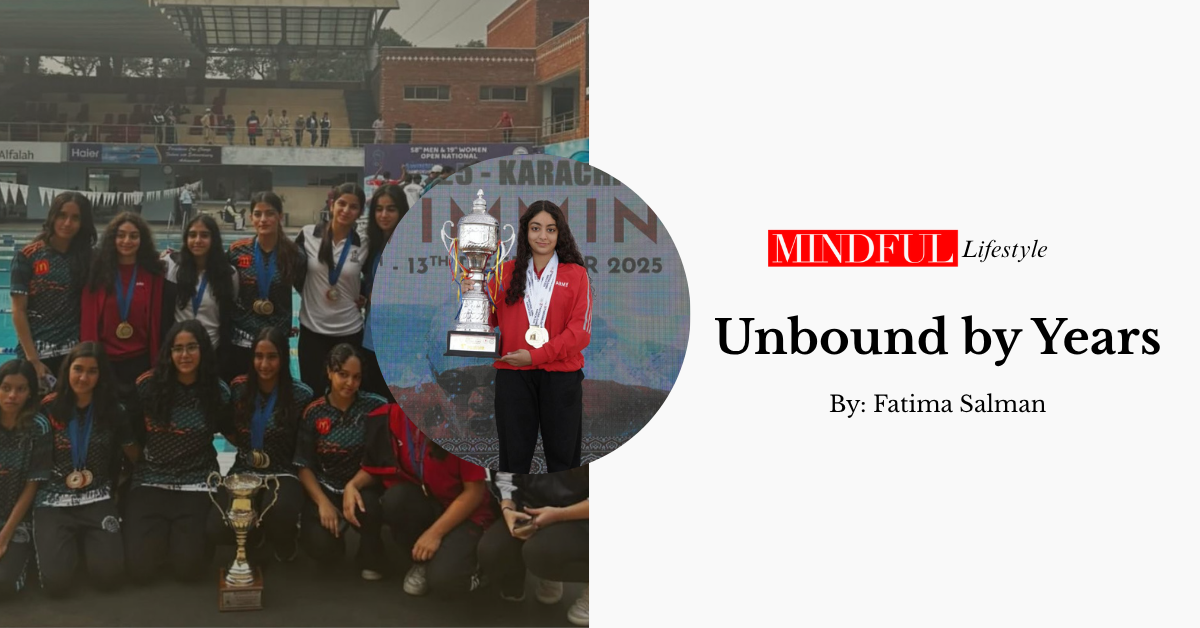
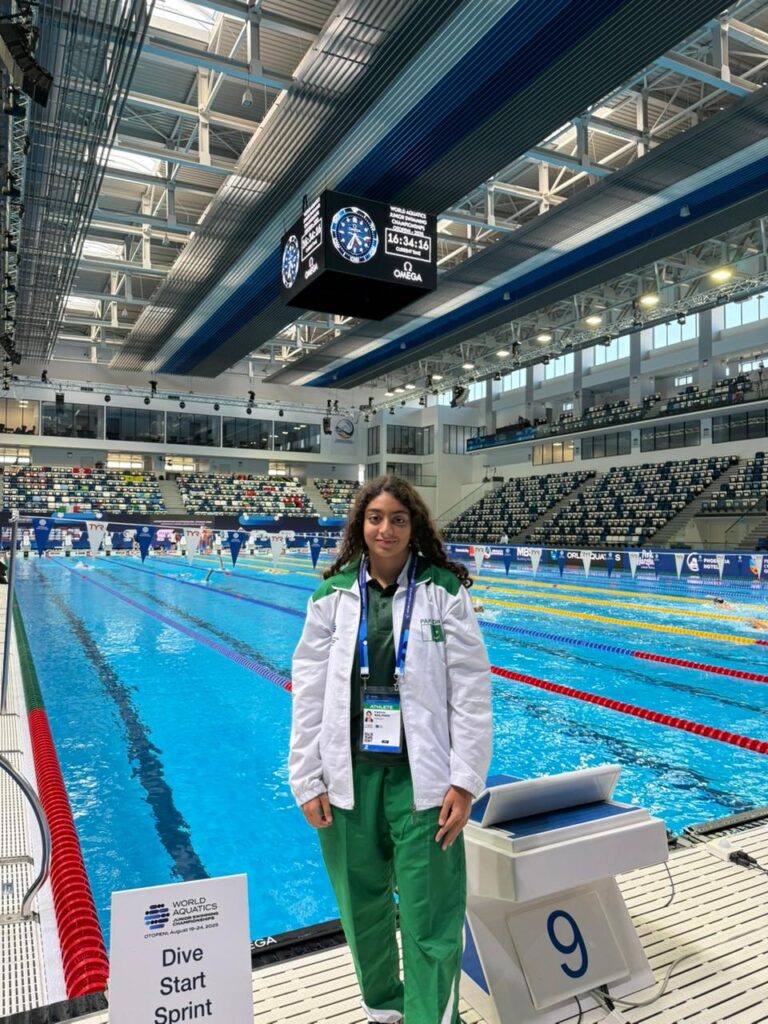
I remember the whispers in school corridors: “short,” “tiny,” “too weak.” “You cannot even reach the monkey bars — and you dream of touching the sky?” They said I was too young to become the best swimmer in the country.

I cried in the rain, wondering if they were right. But something inside me refused to surrender.
Do those words really matter?
I continued training. At nine years old, I competed against swimmers aged eight to sixteen — and won. I was crowned the “human torpedo” in magazines across Pakistan.
Does age still matter?
Age-based stereotypes continue to persist. When Jacinda Ardern became the youngest Prime Minister of New Zealand, critics focused on her age rather than her vision. Guided by manaakitanga — the Māori principle of care and collective responsibility — she led her nation decisively through COVID-19, protecting countless lives.
Leaders like Emmanuel Macron and Justin Trudeau also faced scrutiny for being “too young.” Headlines centered on their birth years instead of their policies. Ageism overshadowed achievement. Yet they proved that leadership is defined by conviction, not chronology.
There is no universal moment when you suddenly become “ready.” Age does not determine when you chase a dream, fall in love, start over, or rise again.
You are always the right age for who you are becoming.
What truly matters is willpower, effort, and belief.
Be authentic.
Be fearless.
The sky is not the limit.
You are.

