


Dr. Mahnoor Mohydin on daily heart care and the attention it deserves—because well-being, vitality, and longevity are not just fleeting concerns, but a lifelong pursuit.
Heart health is central to overall well-being, yet it is often overlooked until an emergency arises. Cardiovascular diseases (CVD) remain one of the leading causes of death worldwide, influenced by lifestyle, environment, and access to timely medical care. The good news: many heart-related conditions are preventable. By adopting heart-healthy habits, staying aware of warning signs, and seeking prompt medical guidance, we can significantly improve outcomes and reduce the burden of CVD in our communities.
Understanding the Challenges
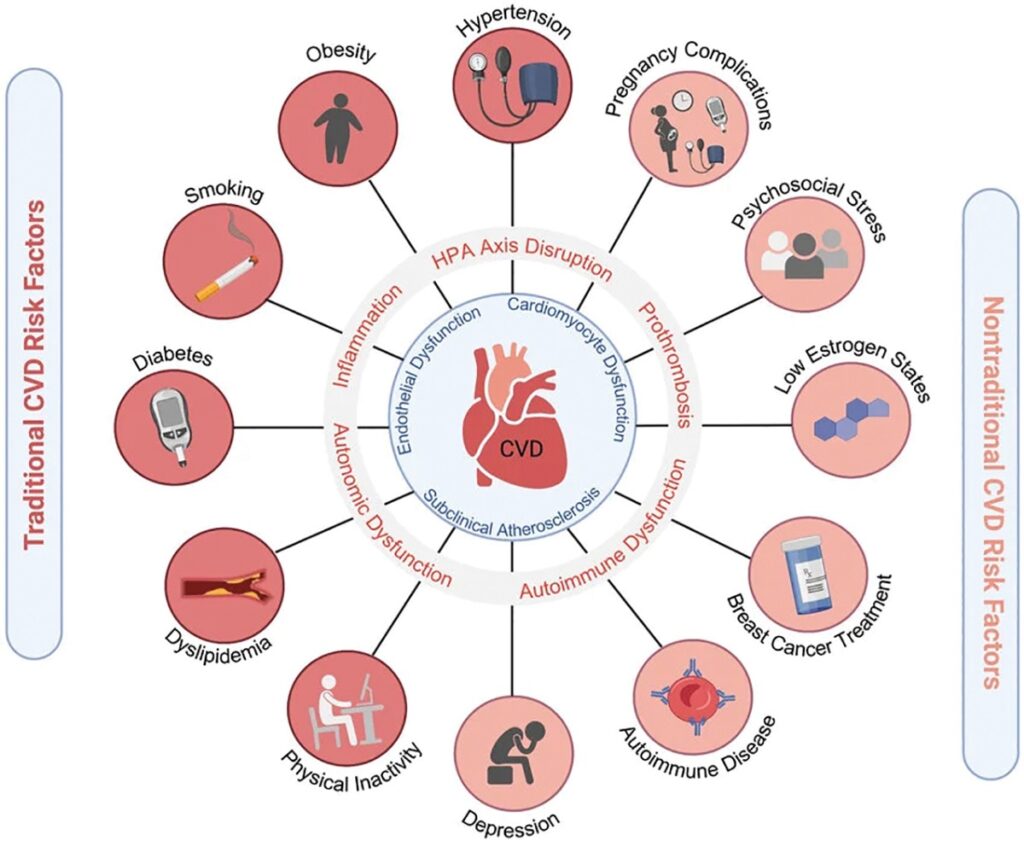
Several everyday factors quietly increase cardiovascular risk. Recognizing and addressing them is crucial for individuals and communities alike:
• Unhealthy dietary patterns, particularly foods high in salt, sugar, and unhealthy fats
• Sedentary lifestyle or lack of regular physical activity
• Irregular daily routines
• Chronic stress and emotional strain
• Poor-quality or insufficient sleep
• Cold weather, which constricts blood vessels
• Air pollution and smog exposure
• Delays in seeking medical care
Combined, these elements create what cardiologists often describe as a “perfect storm” for heart complications.
Your Heart-Protective Checklist
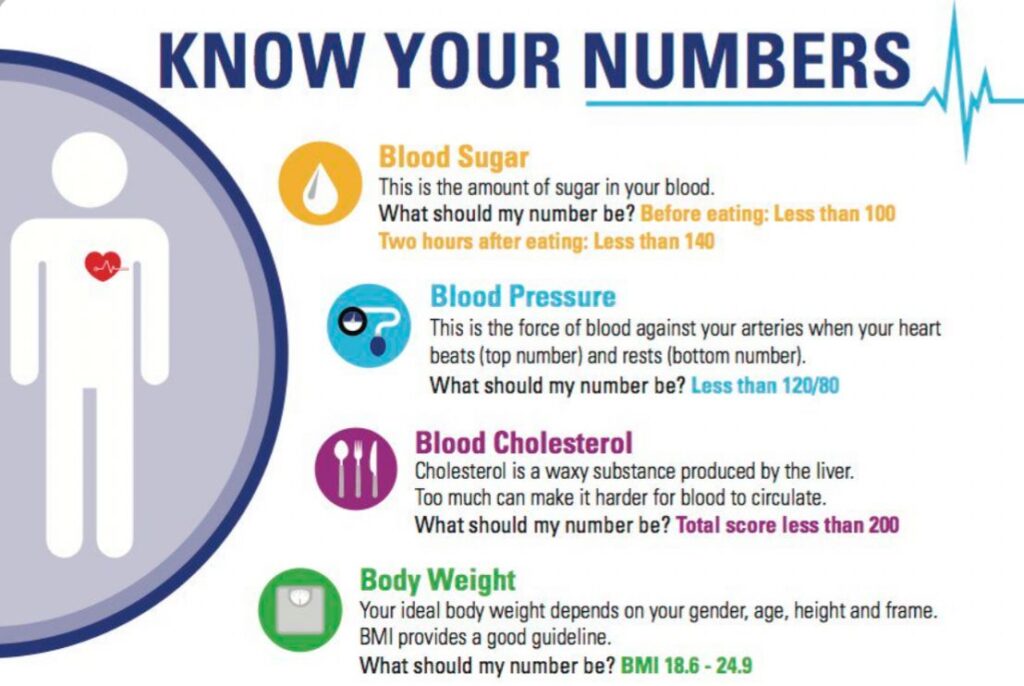
1. Know Your Numbers
Routine monitoring can detect silent risks early. Keep track of:
• Blood pressure
• Blood sugar
• Cholesterol levels
• Waist circumference
Early detection of hypertension, diabetes, and obesity is one of the strongest defenses against CVD.
2. Eat with Intention: ‘Your Heart in Mind’
Mindful eating supports healthy arteries and balanced cholesterol:
Include:
• Fresh fruits and vegetables
• Whole grains
• Lean proteins (fish, lentils, skinless poultry)
Limit:
• Fried and processed foods
• Sugary desserts and beverages
• Excessive salt
• Fast food
Portion control matters too—enjoy treats like halwas in small spoonfuls rather than full servings.
3. Move Your Body
Physical activity strengthens the heart and improves circulation. Aim for at least 30–35 minutes of moderate exercise most days, or 3–4 sessions weekly.
Try a balanced routine:
• Cardio: brisk walking, jogging, cycling
• Strength training
Consistency matters more than intensity.
4. Eliminate Tobacco
Smoking is one of the leading preventable causes of heart attacks. Quitting dramatically lowers cardiovascular risk and benefits overall health.
5. Manage Stress and Prioritize Sleep
Chronic stress and sleep deprivation raise blood pressure and strain the heart.
• Practice relaxation: prayer, deep breathing, meditation
• Keep a regular sleep schedule
• Limit late-night screen time and socializing
Quality rest allows your heart and vessels to recover and function optimally.
6. Be Environmentally Aware
Air pollution contributes to inflammation and cardiovascular risk. Limit outdoor activity on high-smog days and use indoor air purifiers where possible.
7. Seek Medical Guidance Promptly
Early intervention can be lifesaving.
• Schedule regular preventive check-ups, even without symptoms
• Recognize heart attack warning signs:
• Chest pain, pressure, or discomfort
• Shortness of breath
• Pain radiating to jaw, back, or arm
• Nausea or sudden sweating
Heart health isn’t just about avoiding disease—it’s about preserving energy, vitality, and quality of life. Life’s special moments should be filled with warmth, connection, and celebration, not unexpected trips to the emergency room.
With awareness, informed choices, healthy habits, preventive care, and timely medical attention, we can protect our hearts and fully enjoy every meaningful occasion—throughout the year.

