


By: Dua Iftikhar Bhalli
A few decades ago, opportunities for many women were often limited by geography, social expectations, or a lack of access to education and jobs. Today, technology is slowly changing that reality. From smartphones and online businesses to virtual classrooms and social media platforms, digital tools are opening doors that were once difficult to access.
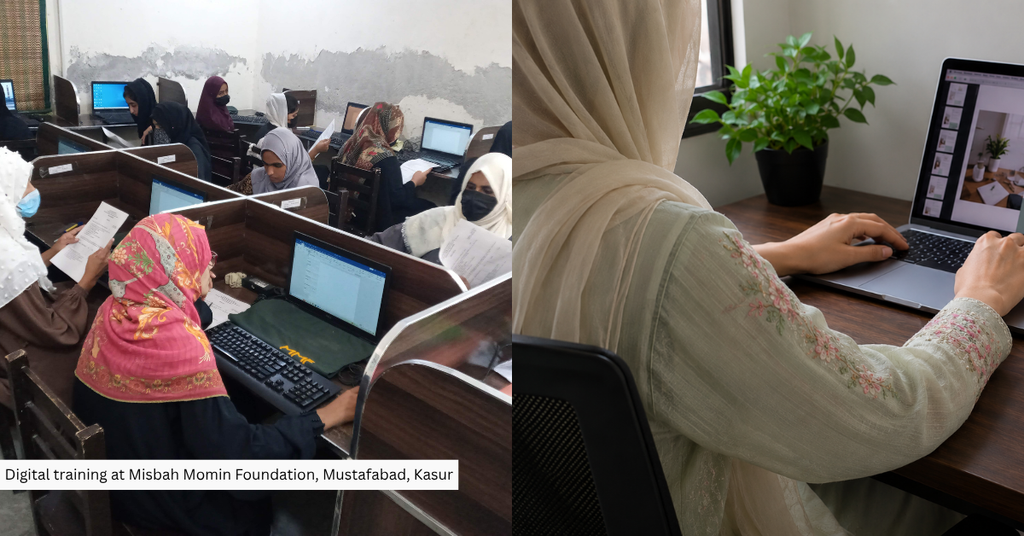
One of the most noticeable changes can be seen in the workplace. Many women are using technology to earn an income in ways that were not possible before. A woman with a smartphone and an internet connection can start a small online business, sell handmade products through social media, or work remotely for clients around the world. This has been particularly important in countries where women may face restrictions on travelling or working outside the home. For some, a simple online store or freelance project becomes the first step toward financial independence.
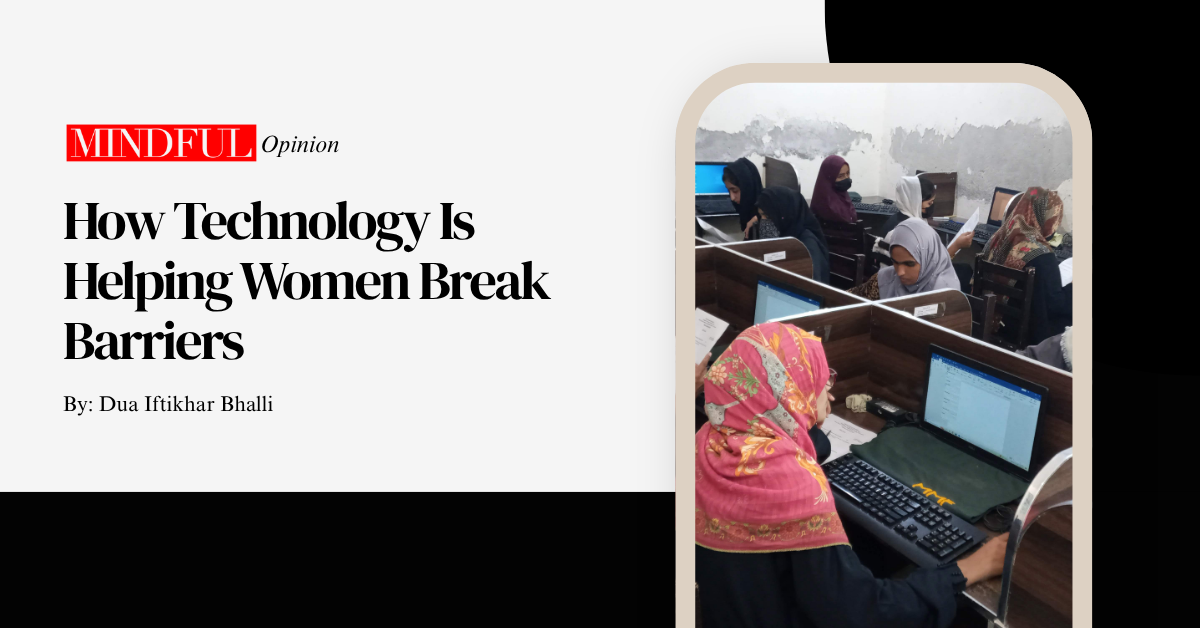
Technology is also transforming education. In the past, distance, family responsibilities, or cultural barriers could prevent women from continuing their studies. Now, countless courses, tutorials, and educational videos are available online. Whether someone wants to learn coding, marketing, graphic design, or even improve their communication skills, the resources are often only a few clicks away. The flexibility of online learning allows women to study at their own pace and fit education around their daily responsibilities.
Another important benefit is access to information. The internet gives women the ability to learn about health, legal rights, career opportunities, and current events. Social media and online communities also provide spaces where women can share experiences, seek advice, and support one another. For many, these digital networks create a sense of connection and confidence that extends beyond the screen.
However, technology is not a magic solution. Millions of women around the world still lack reliable internet access or the digital skills needed to take advantage of online opportunities. In some communities, social attitudes continue to discourage women from using technology freely or pursuing careers in technology-related fields. Online harassment and cyberbullying are additional challenges that can make digital spaces feel unsafe.
Despite these obstacles, the overall impact of technology has been encouraging. Every year, more women are gaining access to digital tools and using them to improve their lives. Small businesses are reaching larger markets, students are learning new skills online, and women are finding new ways to participate in their communities and economies.
Looking ahead, emerging technologies such as artificial intelligence will create both challenges and opportunities. Some jobs may disappear, while entirely new careers will emerge. Ensuring that women have access to digital education and training will be essential if they are to benefit from these changes.
Technology alone cannot create equality, but it can help make it possible. When combined with education, supportive policies, and equal opportunities, it becomes a powerful tool that allows women to overcome barriers and shape their own futures.
Duaiftikhar2008@gmail.com

