


From cave paintings and ancient theatre to modern movements and digital expression, a look at how art has evolved through the ages.
By Hamza Ali
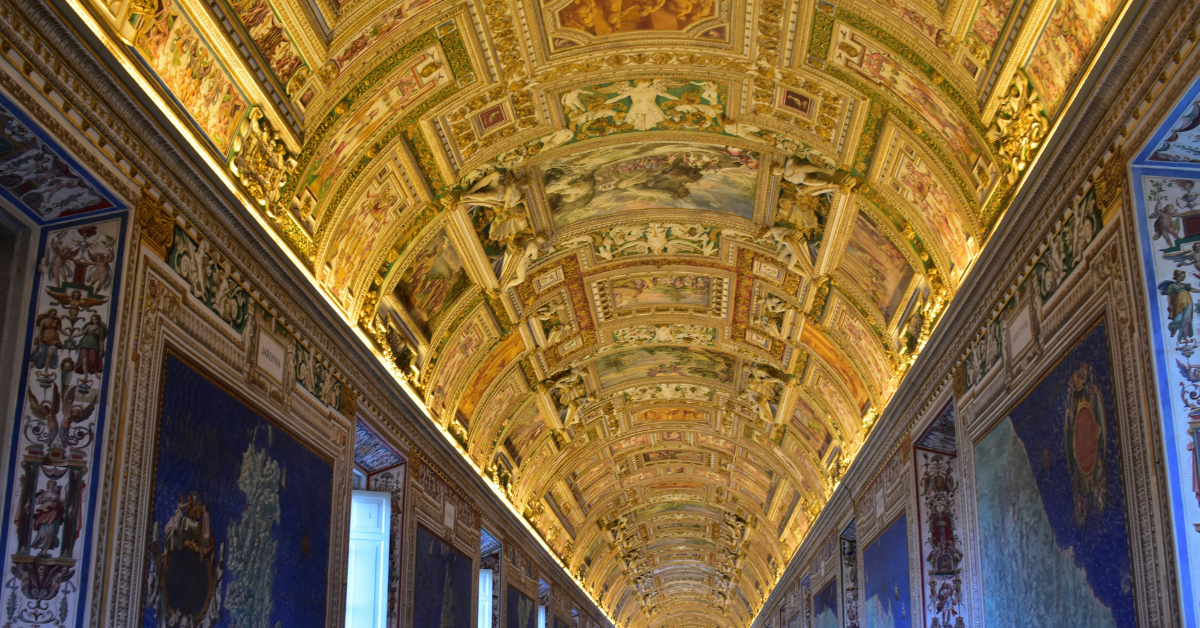
The conception of art and drama can be traced back to the time when humankind first learned and practised creative expression. Some of the earliest evidence of art, drama and literature can be found in cave paintings, clay models and stone tablets. The development of art has been gradual, with its forms and meanings continuing to evolve. These changes can be seen in ancient cave paintings, the stained glass of cathedrals, intricate woodwork in historical buildings and even the ceiling of the Sistine Chapel.
These forms of human artistic expression tell us much about the lives of the people who created them. Similarly, theatre can be traced back to the dithyrambs of ancient Athens—melodies sung as a form of worship to Dionysus. Over time, these hymns were adapted into religious performances in which participants dressed in costumes and masks. Writing, painting, acting and drawing have long served as ways to record life experiences, tell stories, entertain, and pass knowledge and wisdom from one generation to the next.
The earliest known cave paintings were created approximately 40,000 years ago. Numerous paintings and depictions of human activity from the Palaeolithic era, along with beautiful frescoes produced in Egypt and Crete around 2000 BCE, have also been discovered. The history of ancient art encompasses a vast range of cultures and periods, including prehistoric art from the Palaeolithic and Neolithic eras and the Bronze Age, as well as the artistic traditions of Mesopotamia, Egypt, Greece, Rome, China and the ancient civilisations of the Americas.
The earliest forms of drama were likely oral and depended heavily on memorisation. It is possible that they began as re-enactments of stories told around campfires for entertainment, ritual or teaching purposes. Anthropologists and archaeologists have also found evidence suggesting that forms of performance existed in prehistoric societies. Later came the annual Festival of Dionysus in ancient Greece, where drama played a significant cultural role. Greek drama developed into three principal forms: tragedy, comedy and satyr plays.
The period commonly referred to as the “Dark Ages” left comparatively fewer surviving examples of European art, drama and literature. During much of the medieval period, artistic expression was closely connected to religion, while theatre and performance underwent significant changes.
The popularity of theatre continued after the fall of the Roman Empire. However, as the Middle Ages unfolded, the Church often opposed theatrical traditions associated with pagan mythology and considered certain forms of theatre inappropriate. As a result, formal theatre declined in many parts of Europe, although performances by travelling actors and other forms of popular entertainment continued.
Thankfully, times changed with the arrival of the Renaissance, a period that produced countless influential works of art, literature and theatre. Much of the celebrated art of the Renaissance emerged from Italy. Fifteenth-century artists such as Brunelleschi and Donatello helped shape the artistic developments that would influence Botticelli, Alberti and others. During the High Renaissance, Leonardo da Vinci, Michelangelo and Raphael created works that would become enduring landmarks in Western art. In literature, William Shakespeare left an equally lasting legacy. Stage plays also became an increasingly popular form of expression and entertainment, and the purpose of drama gradually expanded beyond religious storytelling to encompass history, comedy, tragedy and entertainment for both royalty and the wider public.
By the 1700s, European art had moved through a succession of styles, including Rococo and Neoclassicism, followed by Romanticism, Realism and Impressionism. Elsewhere, distinctive artistic traditions continued to flourish. China experienced the Ming and Qing dynasties, while Japan moved through the Momoyama and Edo periods. In the Americas, the Aztec and Inca civilisations developed their own rich and highly specialised artistic traditions.
Modern art emerged around the late nineteenth century and continued through much of the twentieth. The Impressionists opened the door to new approaches, while artists such as Pablo Picasso and Marcel Duchamp challenged established ideas about what art could be. The late nineteenth and early twentieth centuries saw the emergence of numerous movements, including Japonism, Neo-Impressionism, Symbolism, Expressionism and Fauvism.
From the 1970s onwards, contemporary art developed into a broad and constantly changing field that continues to evolve today. Artists increasingly experimented with new materials, ideas and forms, moving beyond traditional definitions of painting and sculpture. At the same time, theatre continued to develop alongside changing social attitudes, new forms of dramatic writing and advances in technology.
Today, art is increasingly diverse, contemporary and abstract. Technological innovation has added an entirely new dimension to artistic expression, from digital art and photography to film, animation and immersive experiences. Theatre, too, has been transformed by advances in lighting, sound, special effects and digital production.
Ultimately, the evolution of art reflects the evolution of humanity itself. From images carved into stone and painted onto cave walls to digital works created with technology, art has continually adapted to the world around it. What remains constant is its ability to capture experiences, preserve stories and offer us a way of understanding both the world we inhabit and the people who came before us.
The writer can be contacted at hamzaalimian090@gmail.com

